
Ovulation detection and prediction means establishing whether ovulation is about to happen and whether it has actually taken place. These may be part of a particular treatment or of a fertility assessment (OFO).
Ovulation detection means that you can confirm afterwards that ovulation has taken place. This method is useful if you want to know whether you have ovulated at all during your cycle.
Why ovulation detection?
Ovulation detection is especially useful if you want to know whether your body is ovulating properly. It gives you insight into your cycle, particularly if your cycle is irregular or if you are being treated at a fertility clinic. Because ovulation detection only shows afterwards that ovulation has occurred, it does not help you time intercourse or insemination.
Ovulation prediction means that you try to predict when you are about to ovulate. This method helps you recognise the fertile window in your cycle, which is essential if you are actively trying to get pregnant or having fertility treatment.
Why ovulation prediction?
Ovulation prediction helps you have intercourse or schedule a treatment (such as IUI) at the right time. It is a tool to make the most of your fertile days.
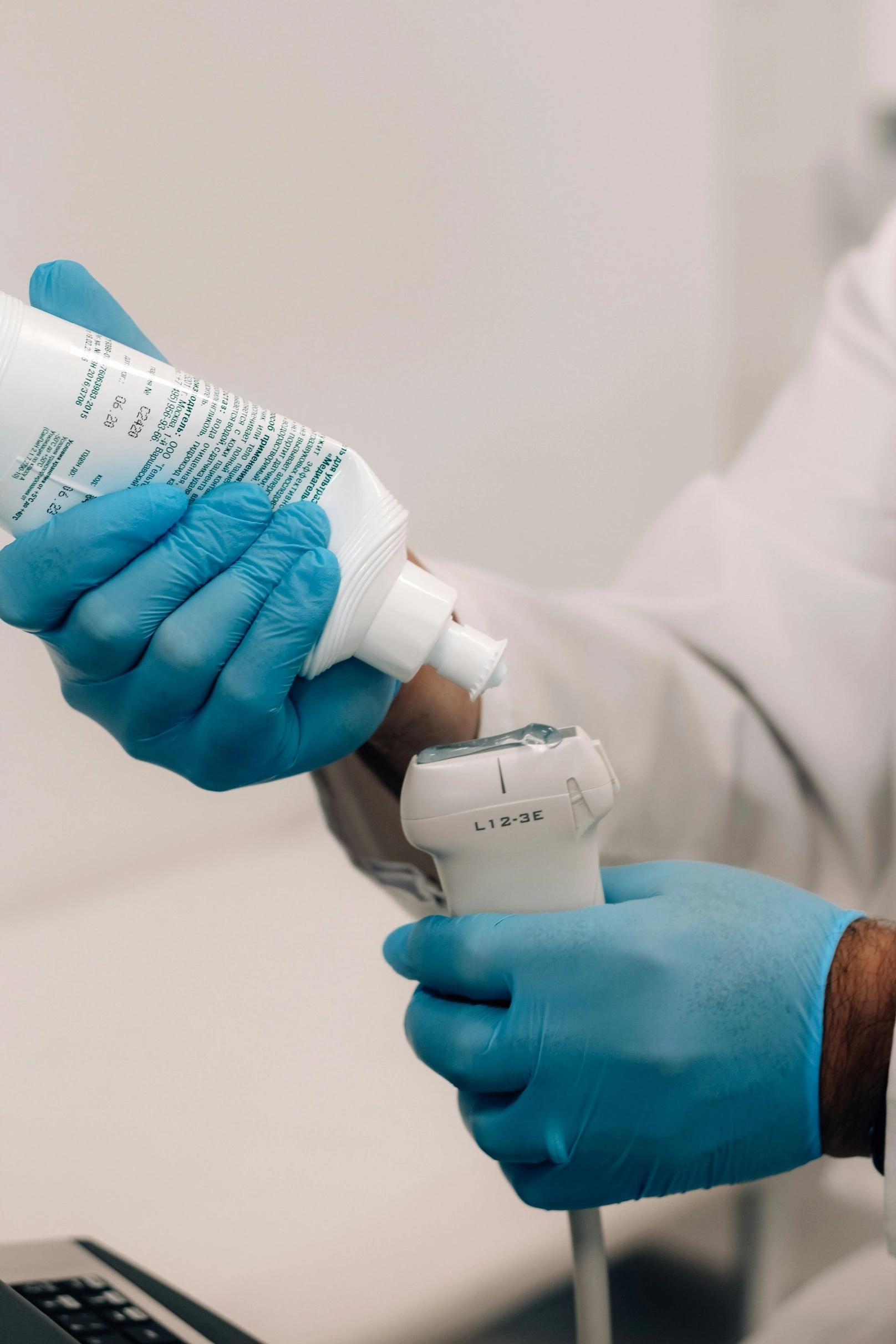
Every woman is unique, and so is her cycle. Below, we describe methods that can help estimate or confirm ovulation, so that intercourse or treatment at the clinic can be timed as well as possible. The list is a mix of methods that can be used at home or at the clinic. If you have previously been trying to get pregnant on your own, you will recognise some of these methods. The methods we use at the clinic include ultrasound monitoring, LH tests, trigger medication and sometimes progesterone testing.
After a positive ovulation test, ovulation usually takes place within 24 to 36 hours, sometimes up to 48 hours. The LH surge itself usually lasts 1 to 2 days. So you still have some time – there is no need to rush.
Having intercourse around the LH surge
We recommend having intercourse at least twice around your positive ovulation test. For example: on the day of the positive ovulation test and again 24–36 hours later. When you see the test line getting stronger, you can also have intercourse one to two days before the expected positive test.
After sex, sperm cells survive an average of 2 to 4 days in the female body. In a favourable environment – especially around ovulation, when the cervical mucus is thin and nourishing – they can even survive up to 5 days. Outside those fertile days, their survival is much shorter, often only a few hours.
It is therefore possible to become pregnant from intercourse that took place a few days before ovulation.
An egg lives for about 12 to 24 hours after ovulation. This means that fertilisation is only possible within this short window. That is why it is important that sperm cells are already present around ovulation – after all, they can survive for 3 to 5 days – so that they can fertilise the egg in time. Determining the right moment is therefore essential if you want to become pregnant.