

Blogs
23-09-2026
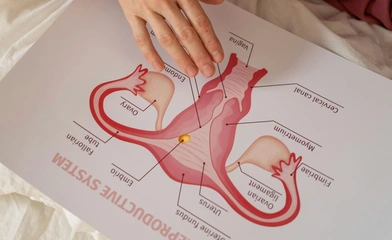
Implantation bleeding is light bleeding that can occur when the fertilised egg (the embryo) attaches itself to the lining of the uterus (endometrium) on the inside of the uterine wall. This is called implantation, and a little blood may be released during it.
The blood loss is much lighter than during a period. Usually it is just a few drops. Implantation bleeding is often lighter in colour than menstrual blood. The colour can be pinkish, red or brown and is sometimes accompanied by some discharge.
You may experience mild abdominal cramps, but these are noticeably less severe than period cramps. Implantation bleeding lasts from a few hours to a maximum of 2 days.
As soon as the egg has been fertilised by the sperm cell, the resulting embryo travels to the uterus to implant in the lining of the uterus. With natural conception, implantation takes place 6 to 12 days after fertilisation. If an embryo is transferred after IVF or ICSI treatment, you need to take into account the day on which the embryo was transferred.
Implantation bleeding occurs in only 20% to 30% of pregnant women. So you can very well be pregnant without having had any implantation bleeding. Implantation bleeding is nothing to worry about.
With implantation bleeding, you may experience mild abdominal cramps, headaches, mood swings, tender breasts, nausea and lower back pain. The blood loss is minimal and stops by itself.
In principle, implantation bleeding is nothing to worry about. However, if you lose a lot of blood or develop other symptoms such as a fever, please do contact us.
After implantation bleeding, it is still too early to know whether you are actually pregnant. The hormone hCG is produced about 11 days after fertilisation. From that moment on, a pregnancy test can show whether you are pregnant. You can therefore test from the day your period was due. Testing earlier is often pointless and can wrongly show a negative result.
← back to news overview More information about your pregnancy